

Cultural perspectives on gambling How traditions shape the game
The Historical Roots of Gambling
The history of gambling is as old as civilization itself, with evidence tracing back thousands of years. Ancient Chinese artifacts suggest that people engaged in games of chance as early as 2300 BC. Similarly, the Romans had a penchant for dice games, showcasing their belief in luck and fate. These early forms of gambling were often tied to rituals, emphasizing how intertwined the act was with cultural practices and beliefs. Today, players can experience the thrill of unique games like the Ice Fishing casino game, which highlights how technology continues to enhance the gambling experience.
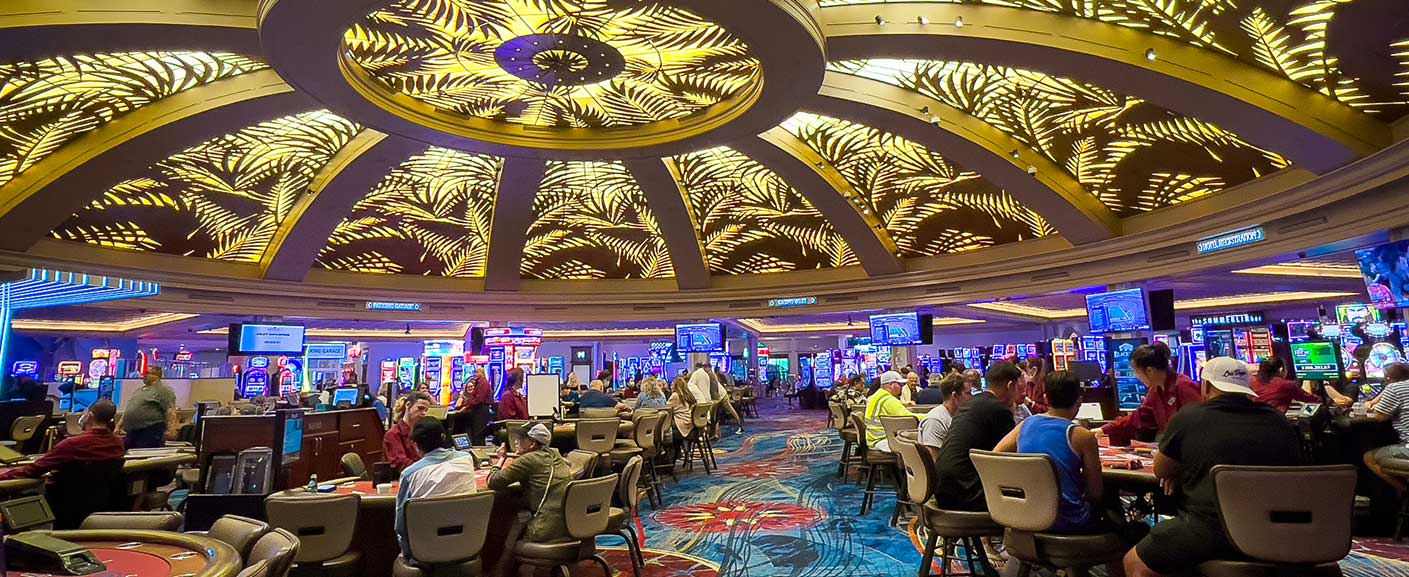
In various cultures, gambling served not only as entertainment but also as a way to reinforce social bonds. For instance, Native American tribes incorporated gambling into their traditions, using games as a means of community gathering and storytelling. This illustrates that gambling was not merely about winning or losing; it carried significant cultural weight and served to strengthen communal ties.
As societies evolved, so did their perspectives on gambling. In the Middle Ages, gambling was often viewed with suspicion, leading to strict regulations. However, this did not diminish its allure. Instead, it led to the emergence of clandestine gambling practices, highlighting the complexity of societal views. These historical narratives shape how modern cultures perceive and engage in gambling today.
Cultural Attitudes and Social Acceptance
Cultural perspectives on gambling vary significantly across different societies. For example, in many Asian cultures, gambling is often associated with fortune and prosperity. The Lunar New Year sees an influx of gambling activity, where playing games like Mahjong is considered a way to attract good luck for the year ahead. This cultural norm illustrates the positive connotations gambling can have in certain contexts, intertwining it with celebration and tradition.
Conversely, Western societies often have a more ambivalent view of gambling. While there are venues like casinos that celebrate the entertainment aspect, there is also a strong focus on responsible gambling, reflecting concerns about addiction and financial ruin. This duality creates a complex landscape where gambling is both celebrated and stigmatized, demonstrating the variability of cultural acceptance.
Furthermore, the rise of online gambling platforms has further complicated cultural attitudes. While some embrace the convenience and accessibility, others express concerns about the potential for addiction and the erosion of traditional values. This ongoing debate highlights how cultural perspectives on gambling continue to evolve in response to technological advancements and societal changes.
The Role of Religion and Morality
Religion plays a significant role in shaping cultural attitudes toward gambling. In many religious traditions, gambling is viewed negatively. For instance, in Christianity, gambling is often associated with greed and temptation, leading to its condemnation in various sects. This moral stance has influenced the perception of gambling in predominantly Christian societies, fostering a culture of caution around the activity.
In contrast, other religions have more accepting views. Buddhism, for example, emphasizes the intention behind actions, suggesting that gambling can be permissible if approached with mindfulness and moderation. This perspective encourages individuals to consider their motivations, impacting how gambling is integrated into daily life in cultures influenced by Buddhism.
The coexistence of diverse religious beliefs creates a rich tapestry of attitudes toward gambling. This diversity not only shapes individuals’ choices but also influences legislative approaches to gambling, as lawmakers consider the moral implications associated with various religious views. As such, the interplay between religion and gambling is a crucial aspect of understanding cultural perspectives on the game.
Influence of Technology and Modernization
The advent of technology has transformed gambling from its traditional roots to a digital phenomenon. Online casinos and mobile applications have made gambling more accessible, appealing to a broader audience. This shift has led to new cultural dynamics, as younger generations engage with gambling in ways that their predecessors may not have envisioned. The ease of access allows for a casual approach, changing the nature of betting from a ritualistic event to a daily pastime.
Moreover, technological advancements have sparked innovations in game design, catering to diverse cultural preferences. For instance, games that feature culturally relevant themes resonate more with players, enhancing their experience. This cultural customization showcases how technology not only facilitates gambling but also respects and reflects cultural narratives.
As online gambling continues to evolve, it brings to light discussions on regulation and ethics. The rapid pace of technological change often outstrips existing laws, leading to a patchwork of regulations that can confuse players and governments alike. This ongoing evolution highlights the need for cultural perspectives to adapt alongside technological advancements, ensuring that societal values are preserved in this rapidly changing landscape.
The Future of Gambling in Cultural Contexts
As gambling continues to evolve, understanding its cultural implications will be crucial for shaping future policies and practices. Different societies will need to navigate the balance between preserving traditional views and embracing modern trends. This ongoing dialogue is essential, especially as global influences intertwine, leading to the emergence of hybrid gambling practices that reflect both local and international cultures.
Moreover, the role of education in promoting responsible gambling is paramount. As more individuals engage with gambling, providing cultural context and promoting ethical practices will foster a healthier relationship with the activity. This education can take various forms, from community discussions to formal programs, ensuring that cultural nuances are respected while addressing potential risks.
Ultimately, the future of gambling will be shaped by a complex interplay of tradition and innovation. As societies grapple with the implications of gambling in a modern context, the cultural narratives that have long influenced this activity will continue to evolve, shaping how people engage with games of chance moving forward.

Conclusion: Insights from Our Website
Our website aims to provide a comprehensive look at gambling through various cultural lenses. By exploring the historical, social, and technological aspects of gambling, we seek to illuminate the intricate relationship between tradition and modernity. Our content is tailored for those who wish to understand not just the games themselves, but the cultural significance behind them.
We encourage our readers to engage with our resources, fostering a dialogue about the evolving nature of gambling. Through informed discussions, we can appreciate the multifaceted cultural perspectives that shape this global pastime. Join us as we explore the rich tapestry of gambling traditions and their modern implications, ensuring that cultural narratives remain at the forefront of this fascinating topic.